

Surviving Long Holiday Drives Without Motion Sickness
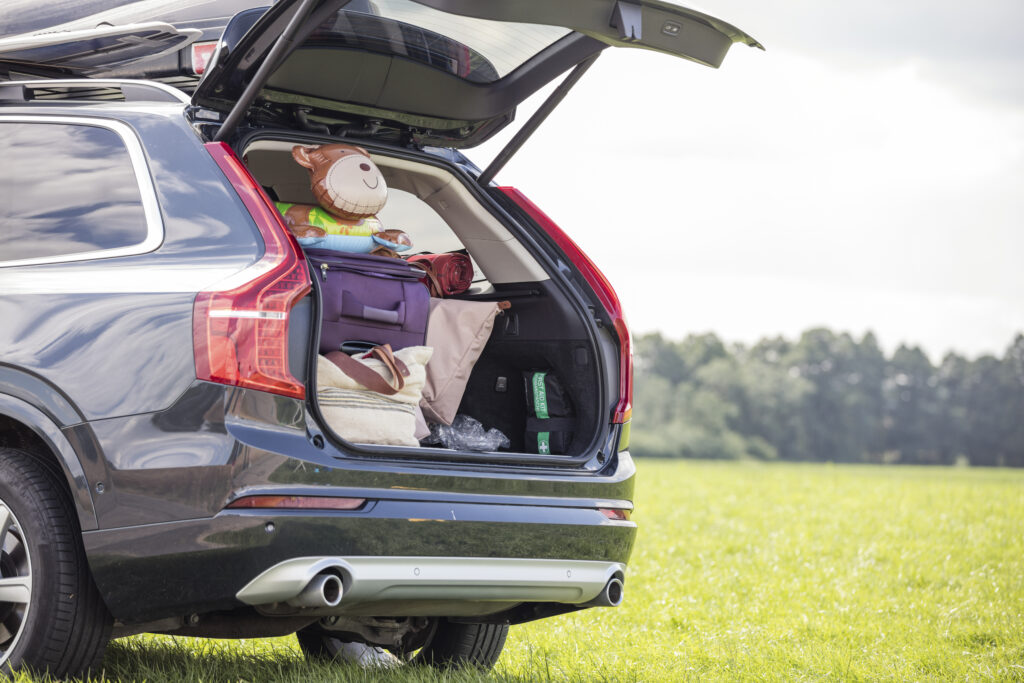
Holiday road trips are a tradition for many families and travelers. Whether you’re heading home to see loved ones, visiting new destinations, or taking a winter getaway, long drives are often part of the experience. Unfortunately, motion sickness can turn what should be a joyful journey into an uncomfortable one.
The good news is that motion sickness doesn’t have to derail your holiday travel plans. With a little preparation and a few smart strategies, many people can significantly reduce symptoms and enjoy smoother, more comfortable drives.
Why Long Holiday Drives Trigger Motion Sickness
Motion sickness occurs when your brain receives conflicting signals from your senses. Your inner ear detects motion as the car accelerates, turns, or stops, while your eyes may not register the same movement especially if you’re reading, using a phone, or sitting where the road isn’t visible.
Long holiday drives often make this worse. Extended time in the car, winding winter roads, heavy traffic, and stop-and-go driving all increase the likelihood of nausea and dizziness. Fatigue, stress, and irregular eating schedules during the holidays can also contribute.
Understanding these triggers makes it easier to manage them.
Choose the Best Seat for Comfort
Where you sit can make a big difference. The front passenger seat is often the most comfortable option for motion-sensitive travelers because it provides the clearest view of the road. If you’re riding in the back, sitting in the middle seat where you can see forward can help your brain better align visual and physical cues.
Keeping your head supported and facing forward helps reduce sensory confusion, especially during turns and sudden stops.
Keep Your Eyes Focused Ahead
One of the simplest and most effective strategies is to avoid looking down. Reading, texting, or watching videos can intensify motion sickness because your eyes aren’t tracking movement.
Instead, focus on the road ahead or distant scenery. This helps your brain better understand the motion you’re experiencing, reducing nausea and dizziness. Even brief breaks from screens can make a noticeable difference during long drives.
Manage Airflow and Temperature
Fresh air plays an important role in comfort. Keeping the car well-ventilated and slightly cool can help prevent nausea, especially during crowded holiday drives or when winter heat is running constantly.
Cracking a window or adjusting air vents to circulate fresh air can help regulate body temperature and create a calmer environment. Strong or stuffy air can sometimes worsen symptoms, so maintaining airflow is key.
Eat Smart Before and During the Trip
What you eat before traveling matters. Heavy, greasy, or overly rich holiday foods can increase the likelihood of nausea. At the same time, traveling on an empty stomach isn’t ideal either.
A light, balanced meal or snack before the drive often works best. Simple foods and staying hydrated can help keep your stomach settled. Sipping water during the trip also helps prevent dehydration, which can worsen motion sickness.
Take Breaks When Possible
Long stretches without stopping can intensify symptoms. Planning short breaks allows your body to reset, get fresh air, and reorient itself. Even a few minutes outside the car can help reduce discomfort.
Holiday travel schedules can be tight, but building in brief stops often makes the rest of the drive more manageable and enjoyable.
Prepare Ahead With Motion Sickness Prevention
For people who know they’re prone to motion sickness, prevention is often the most effective approach. Taking steps before symptoms begin can help maintain comfort throughout the drive.
Motion sickness medications designed for prevention can be helpful for many travelers. Products like Jet-Avert are commonly taken before travel begins and can help reduce nausea during long car rides when used as directed.
Being proactive rather than reactive often leads to better results, especially during extended holiday drives.
Create a Calm Driving Environment
A smooth driving style helps everyone feel more comfortable. Gradual acceleration, gentle turns, and steady speeds reduce sudden movements that can trigger nausea. Calm music or quiet conversation can also create a more relaxed atmosphere in the car.
Reducing strong smells, visual clutter, and sudden distractions helps keep the environment soothing which can make a real difference for motion-sensitive passengers.
Helping Kids Through Holiday Drives
Children are especially prone to motion sickness during long drives. The same strategies apply: help them sit facing forward, encourage them to look outside, offer light snacks, and keep the car cool and well-ventilated.
Talking through what to expect and planning breaks can help kids feel more comfortable and confident throughout the journey.
Long holiday drives don’t have to mean discomfort or dread. With thoughtful preparation, smart seating choices, fresh air, light meals, and proactive prevention, motion sickness can often be reduced or avoided altogether.
Holiday travel is about connection, celebration, and making memories. By taking care of your comfort on the road, you’re setting yourself up to arrive feeling better and ready to enjoy the season not recover from the ride.
Share This
Recent Posts
Archives
- October 2026
- September 2026
- August 2026
- July 2026
- June 2026
- May 2026
- April 2026
- March 2026
- February 2026
- January 2026
- December 2025
- November 2025
- October 2025
- September 2025
- August 2025
- July 2025
- June 2025
- May 2025
- April 2025
- March 2025
- April 2023
- March 2023
- February 2023
- January 2023
- December 2022
- November 2022
- October 2022
- September 2022
- August 2022
- July 2022
- June 2022
- May 2022
- April 2022
- March 2022
- February 2022
- January 2022
- December 2021
- November 2021
- October 2021
- September 2021
- July 2021



